Septic Tank Installation in Denver, CO
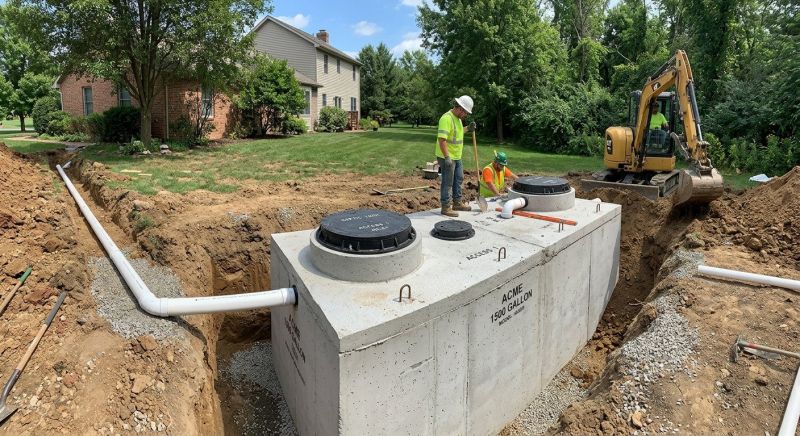
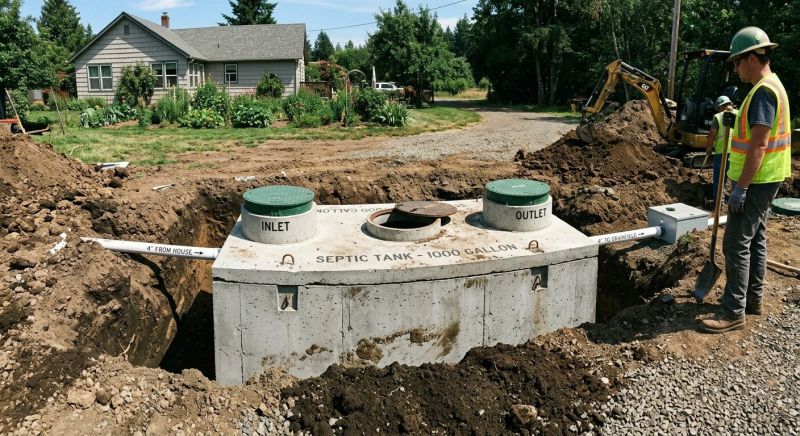
Septic tank installation services involve setting up a wastewater management system for properties that are not connected to municipal sewer lines. This process includes selecting the appropriate tank size, preparing the site, and properly installing the system to ensure effective treatment of household sewage. Property owners typically request this service when building a new home, replacing an outdated or failing septic system, or upgrading to a larger capacity to accommodate increased household needs. It is important for homeowners to understand the size and type of septic tank suitable for their property, as well as any local regulations or permits required for installation.
Before requesting septic tank installation, property owners should consider factors such as the property's size, soil conditions, and drainage capabilities. Understanding the maintenance requirements and lifespan of the system can also influence decision-making. Proper site assessment and planning are essential to ensure the system functions effectively and complies with local codes. Contacting experienced professionals can help clarify these considerations and facilitate a smooth installation process tailored to the specific needs of the property.
Many property owners in Denver, CO look into Septic Tank Installation for repairs, replacements, upgrades, and appearance-related improvements.
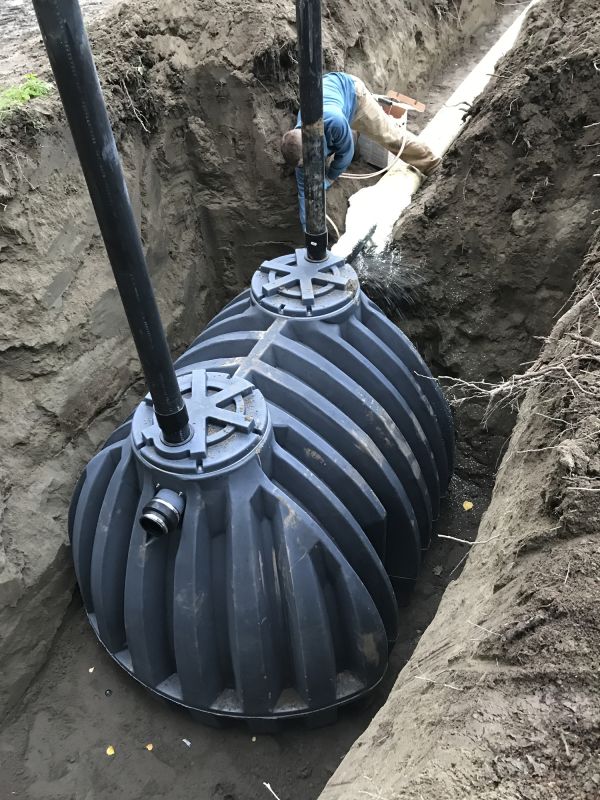
Septic Tank Installation Basics
Proper installation ensures efficient waste management for residential properties.
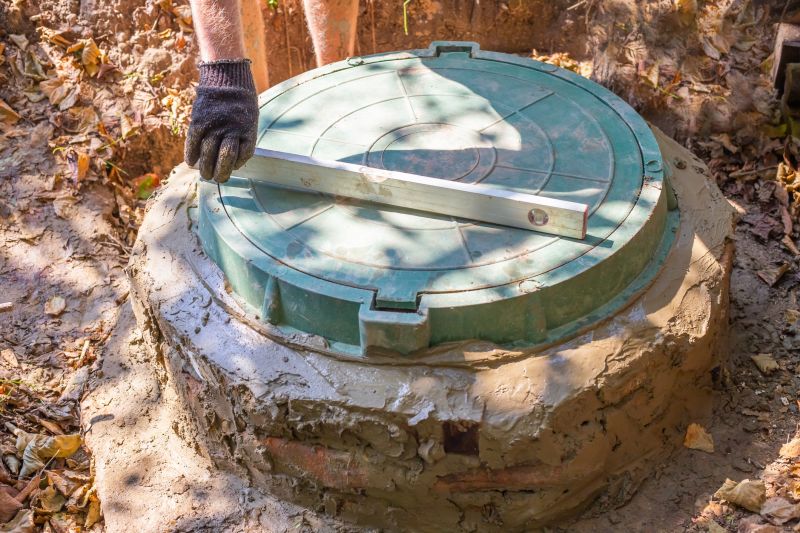
Choosing The Right System
Selecting the appropriate septic system depends on property size, usage, and soil conditions.
Maintenance And Longevity
Regular upkeep extends the lifespan of the septic tank and prevents costly repairs.
Septic Tank Installation in Denver, CO

Septic tank installation services involve setting up a wastewater management system for properties that are not connected to municipal sewer lines. This process includes selecting the appropriate tank size, preparing the site, and properly installing the system to ensure effective treatment of household sewage. Property owners typically request this service when building a new home, replacing an outdated or failing septic system, or upgrading to a larger capacity to accommodate increased household needs. It is important for homeowners to understand the size and type of septic tank suitable for their property, as well as any local regulations or permits required for installation.
Before requesting septic tank installation, property owners should consider factors such as the property's size, soil conditions, and drainage capabilities. Understanding the maintenance requirements and lifespan of the system can also influence decision-making. Proper site assessment and planning are essential to ensure the system functions effectively and complies with local codes. Contacting experienced professionals can help clarify these considerations and facilitate a smooth installation process tailored to the specific needs of the property.
Many property owners in Denver, CO look into Septic Tank Installation for repairs, replacements, upgrades, and appearance-related improvements.
Common Septic Tank Installation Jobs
Septic Tank Installation - Complete setup of new septic systems for residential properties.
Septic System Replacement - Removal of outdated tanks and installation of modern, efficient systems.
Septic System Design - Planning and layout tailored to property size and usage needs.
Septic Tank Siting - Assessing optimal locations for septic tanks to ensure proper function.
Septic System Expansion - Adding capacity or upgrading existing systems to accommodate property growth.
Septic System Inspection - Evaluating existing septic setups to confirm proper operation and compliance.
Septic Tank Installation Questions
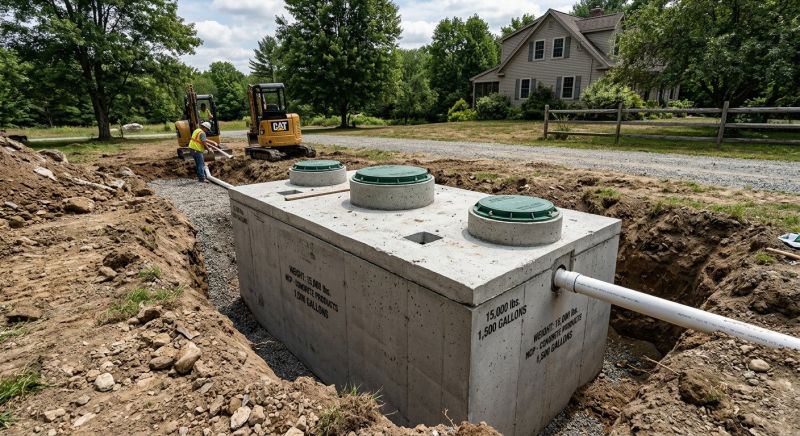
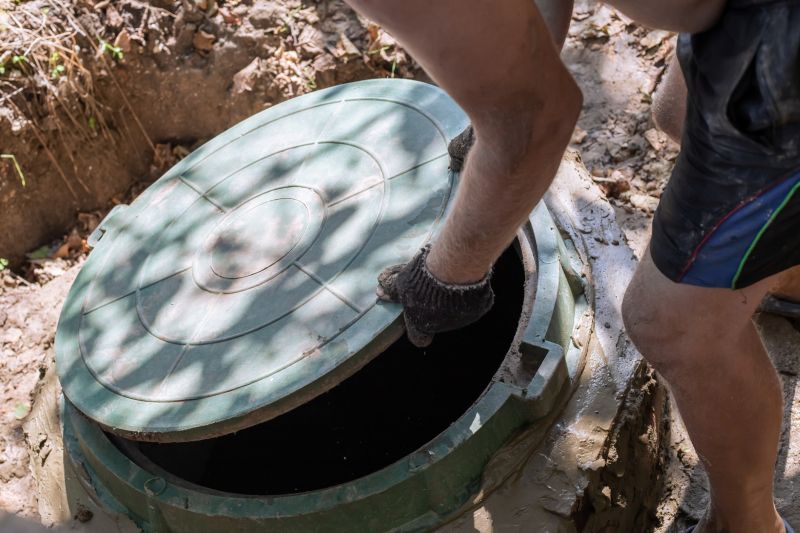
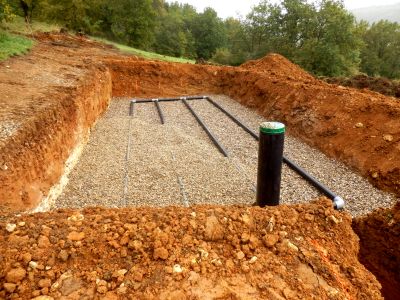
What is involved in septic tank installation? Septic tank installation includes site assessment, excavation, tank placement, and system connection to property plumbing.
How do I know if my property needs a new septic system? Signs include persistent backups, slow drains, or a failing drain field, indicating the need for a new septic tank.
What types of septic tanks are available for installation? Common options include traditional concrete tanks, plastic tanks, and fiberglass systems, suitable for various property sizes.
What should property owners consider before installing a septic tank? Consider property size, soil conditions, and local regulations to ensure proper system design and placement.
Request Septic Tank Installation in Denver, CO
Use the quote form on this page to share the basics of your project and request more information for the type of work you need.