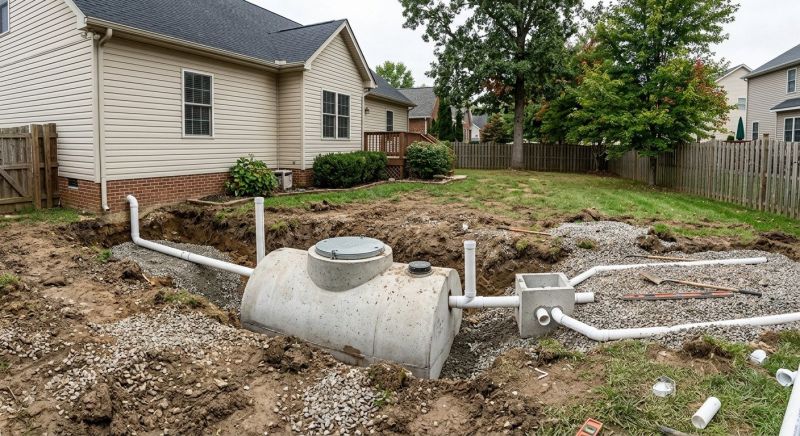
Septic System Relocation in Denver, CO
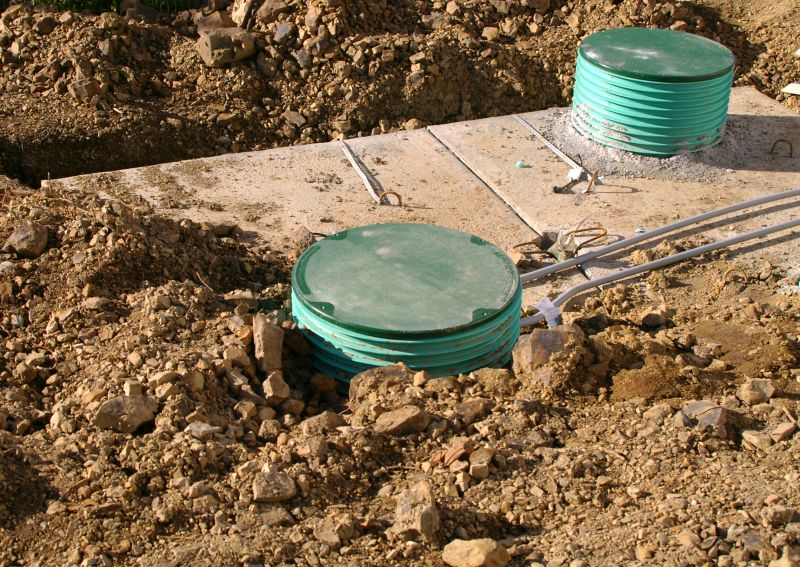
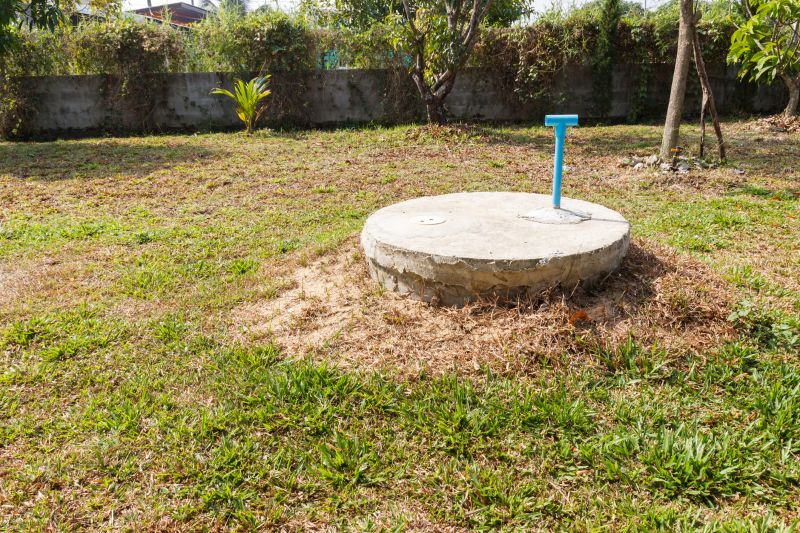
Septic system relocation services involve moving an existing septic tank and drain field to a new site on a property. This process is typically needed when a homeowner plans to build new structures, alter landscaping, or improve drainage around their property. Projects can range from shifting a septic system to accommodate additions or renovations, to relocating it due to property development or access issues. Property owners should understand the importance of proper site assessment, soil conditions, and local regulations before requesting a septic system move to ensure the new location will function effectively and meet any necessary codes.
Before initiating a septic system relocation, property owners usually want to know about the feasibility of moving the system to a different area, the potential impact on existing landscaping, and any permits or approvals required by local authorities. It’s also helpful to consider the distance of the new location from wells, water sources, or structures, as well as the condition of the existing septic components. Clear understanding of these factors can help ensure the relocation process proceeds smoothly and results in a system that functions reliably in its new position.
Many property owners in Denver, CO look into Septic System Relocation for repairs, replacements, upgrades, and appearance-related improvements.
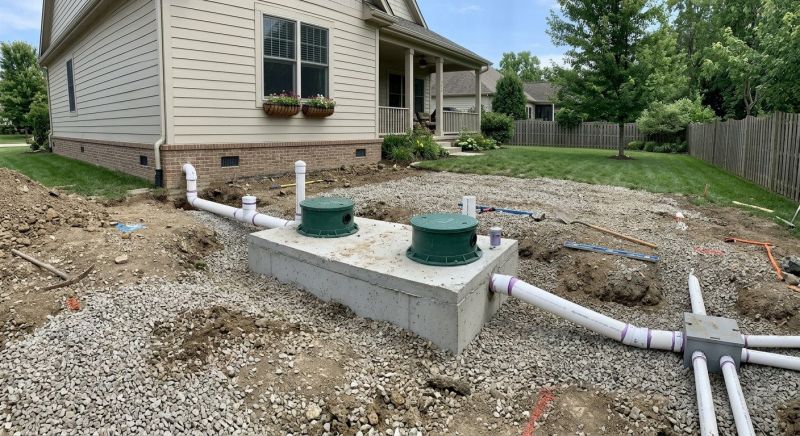
Reasons For Septic System Relocation
Property changes or renovations may require moving an existing septic system to ensure proper function and compliance.
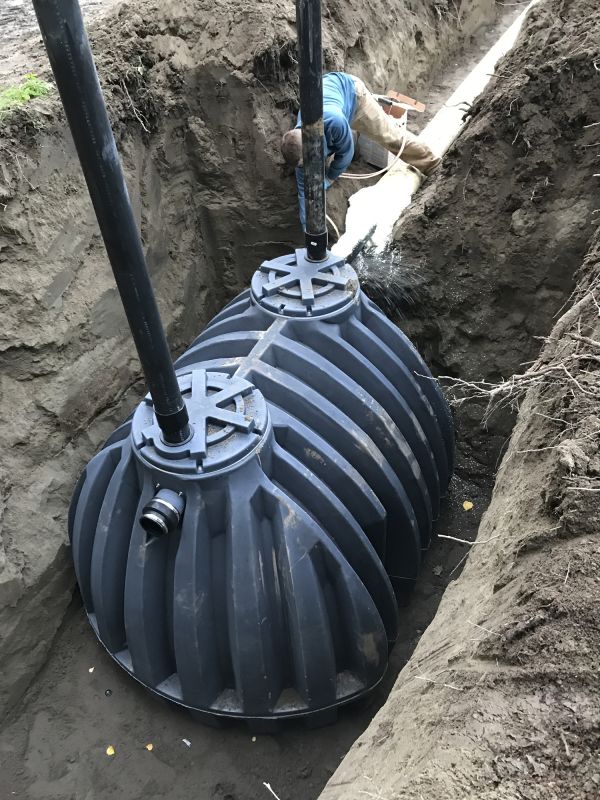
Key Considerations In Relocation Projects
Factors such as soil conditions, property layout, and local regulations influence the planning and execution of septic system moves.
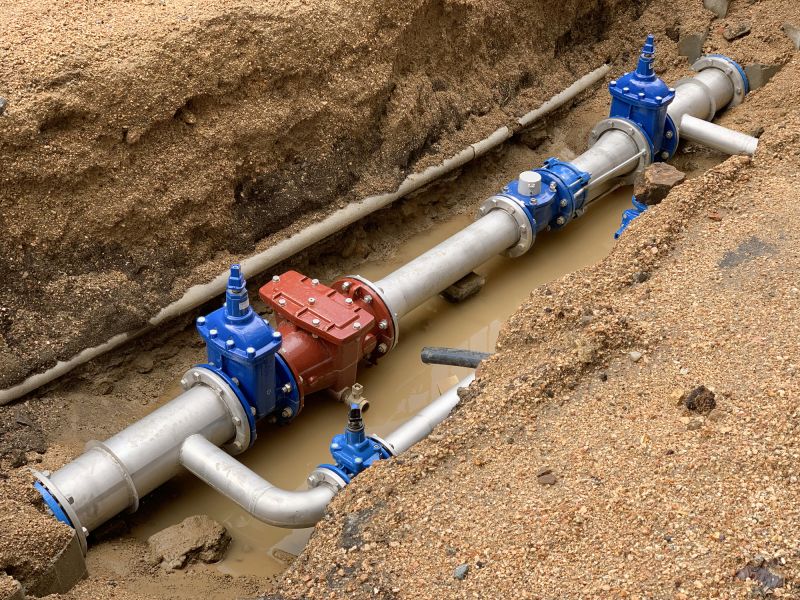
Benefits Of Professional Septic Relocation
Expert services help ensure the system is safely relocated, minimizing disruption and maintaining system longevity.
Septic System Relocation in Denver, CO

Septic system relocation services involve moving an existing septic tank and drain field to a new site on a property. This process is typically needed when a homeowner plans to build new structures, alter landscaping, or improve drainage around their property. Projects can range from shifting a septic system to accommodate additions or renovations, to relocating it due to property development or access issues. Property owners should understand the importance of proper site assessment, soil conditions, and local regulations before requesting a septic system move to ensure the new location will function effectively and meet any necessary codes.
Before initiating a septic system relocation, property owners usually want to know about the feasibility of moving the system to a different area, the potential impact on existing landscaping, and any permits or approvals required by local authorities. It’s also helpful to consider the distance of the new location from wells, water sources, or structures, as well as the condition of the existing septic components. Clear understanding of these factors can help ensure the relocation process proceeds smoothly and results in a system that functions reliably in its new position.
Many property owners in Denver, CO look into Septic System Relocation for repairs, replacements, upgrades, and appearance-related improvements.
Common Septic System Relocation Jobs
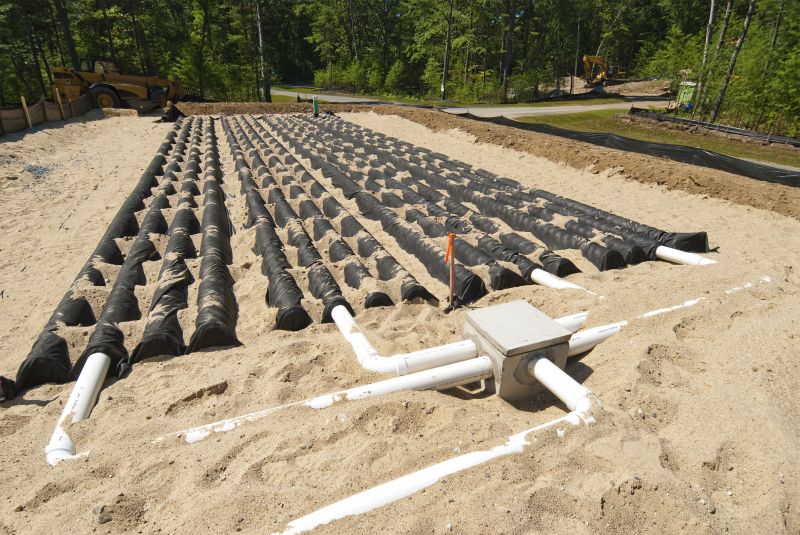
Septic System Relocation - Moving an existing septic system to accommodate property expansion or renovations.
Property Development - Adjusting septic placement for new construction or land subdivision projects.
Site Reassessment - Evaluating soil and terrain conditions to determine optimal septic system locations.
Design and Planning - Developing new layouts for septic systems that meet local regulations and site needs.
Drainfield Replacement - Relocating drainfields to improve system performance and prevent future issues.
Environmental Considerations - Ensuring septic system moves comply with environmental safety standards and protect water sources.
Septic System Relocation Questions
Why might someone need to relocate a septic system? Septic system relocation is often needed due to property development, changes in land use, or to improve system performance and access.
What are common reasons property owners request septic system relocation? Property expansion, new construction, or existing system issues that require repositioning are typical reasons for relocation.
What should property owners consider before relocating a septic system? It's important to assess land layout, accessibility, and local regulations to ensure proper placement and compliance.
What types of projects involve septic system relocation? Projects include building additions, driveway modifications, or installing new structures that interfere with the existing septic location.
Request Septic System Relocation in Denver, CO
Use the quote form on this page to share the basics of your project and request more information for the type of work you need.